Strait of Hormuz Risk in 2026: Why Global Energy Markets Still Depend on a Narrow Passage

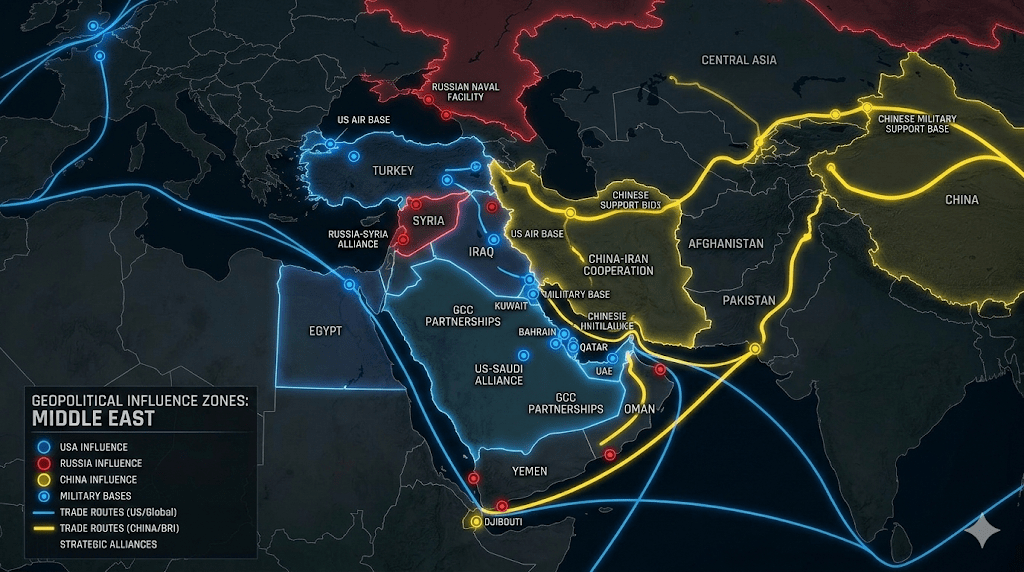
Introduction Even amid de-escalation signals in the Middle East, one structural vulnerability remains unchanged: the Strait of Hormuz. Roughly a fifth of global oil flows through this narrow waterway, making it one of the most critical chokepoints in the global energy system. In 2026, the question is not whether disruption will occur—but how markets price … Περισσότερα

5 Narrow Passages That Could Trigger the Next Global Oil Crisis

Intro Modern global energy markets depend on a surprisingly small number of geographic bottlenecks. Every day, tens of millions of barrels of crude oil move through narrow maritime corridors that connect the Middle East, Asia, Europe and North America. These passages — known as energy chokepoints — form the fragile arteries of the global economy. … Περισσότερα

What Happens If the Strait of Hormuz Closes for 30 Days? The Global Economy Could Face Its Next Shock

A prolonged disruption in the Strait of Hormuz could send shockwaves through the global economy, triggering energy price spikes, renewed inflation fears and fresh geopolitical risks for the United States and its allies. AI Takeaways • The Strait of Hormuz carries nearly 20% of global oil supply.• A prolonged disruption could send energy prices sharply … Περισσότερα

“Europe’s Energy Crisis Could Return if the Strait of Hormuz Stays Closed”

Oil tankers crossing the Strait of Hormuz, the world's most critical energy chokepoint

Global energy markets appear to be operating under a fragile assumption: that the disruption in the Persian Gulf will be temporary. Futures prices in both oil and natural gas reflect that expectation — for now. Brent crude remained relatively stable on March 4, 2026, trading close to $80 per barrel, while European natural gas prices … Περισσότερα