Why a Gulf Ceasefire May Not End Inflation Risks in Europe

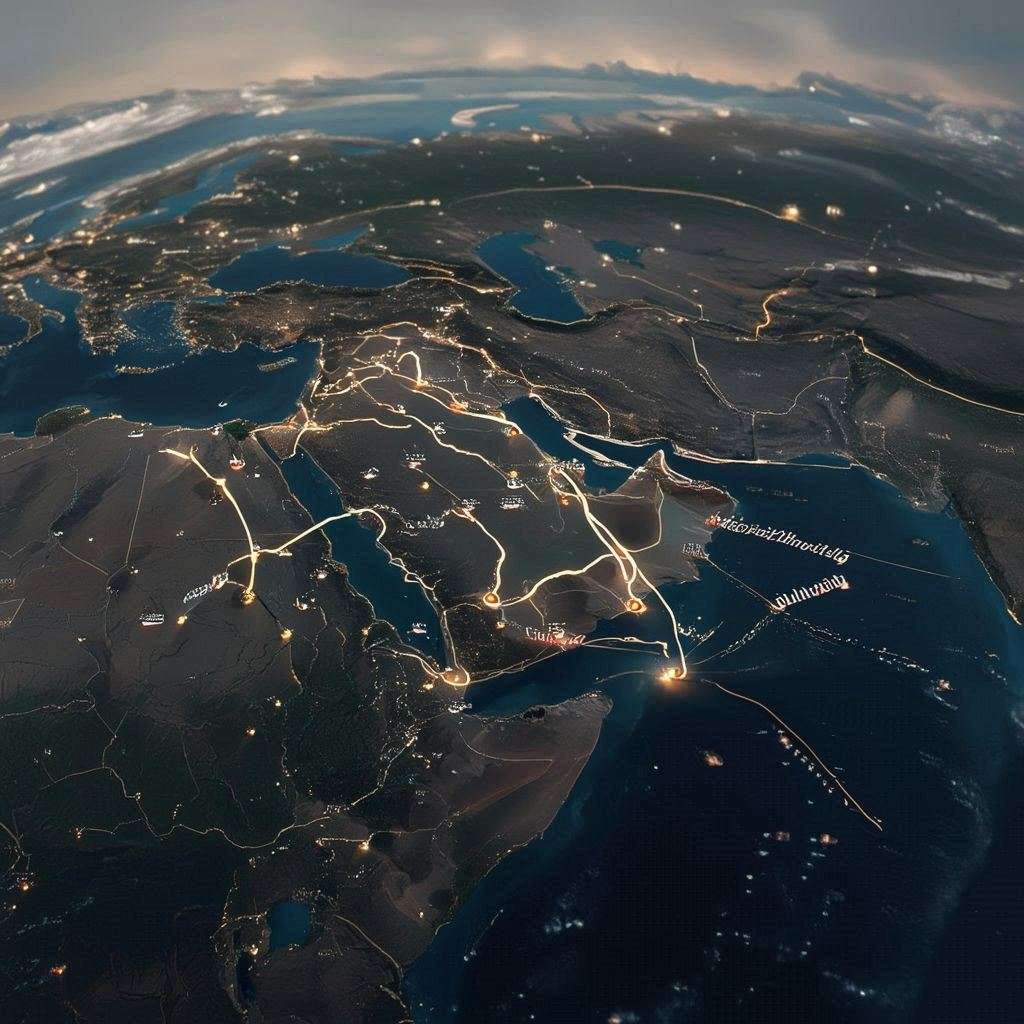
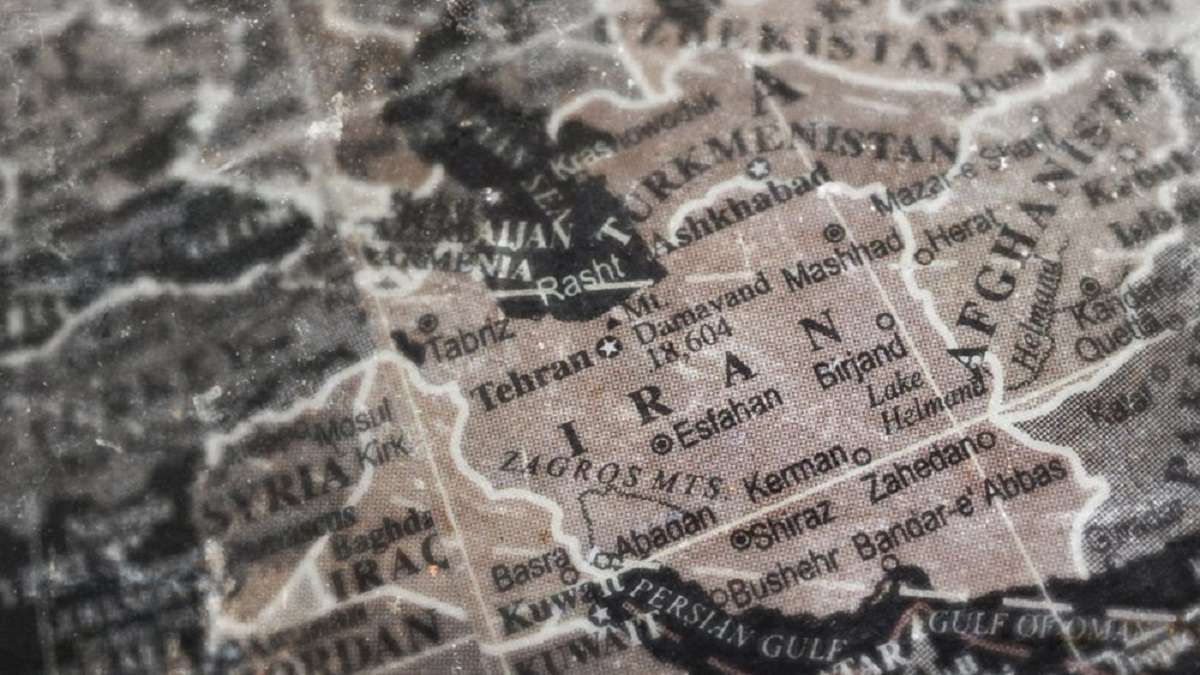
A potential Iran-US agreement could reduce geopolitical tensions and reopen energy exports through the Strait of Hormuz. However, restoring shipping activity does not immediately normalize global supply chains. Strategic energy reserves have been depleted, transportation capacity remains constrained, and production disruptions across the Gulf region may continue supporting elevated energy prices. Combined with rising debt … Περισσότερα

Γιατί το άνοιγμα των Στενών του Ορμούζ απειλεί την επιβίωση του ΟΠΕΚ | Η απώλεια κυριαρχίας και ο νέος πόλεμος τιμών

Το άνοιγμα των Στενών του Ορμούζ μπορεί να αντιμετωπιστεί τόσο με αισιοδοξία για την αντιμετώπιση των ενεργειακών αδιεξόδων που προκάλεσε ο πόλεμος στο Ιράν όσο και ανησυχία για το μέλλον του ΟΠΕΚ. Το καρτέλ πετρελαίου που στο παρελθόν διήλθε από πληθώρα εμποδίων, από την πετρελαϊκή κρίση του 1973 και του 1979 έως την αποχώρηση των ΗΑΕ έπειτα από 60 χρόνια, βιώνει μία τεράστια … Περισσότερα

Oil Prices After the US–Iran Ceasefire: Temporary Relief or Market Illusion?

Introduction Energy markets responded quickly to news of a ceasefire between the United States and Iran. Initial reactions pointed to easing prices and reduced volatility, reflecting a drop in geopolitical risk. But markets have learned to be cautious. In 2026, price movements are no longer driven by single events alone—but by how those events reshape … Περισσότερα

5 Narrow Passages That Could Trigger the Next Global Oil Crisis

Intro Modern global energy markets depend on a surprisingly small number of geographic bottlenecks. Every day, tens of millions of barrels of crude oil move through narrow maritime corridors that connect the Middle East, Asia, Europe and North America. These passages — known as energy chokepoints — form the fragile arteries of the global economy. … Περισσότερα