
Why a Gulf Ceasefire May Not End Inflation Risks in Europe
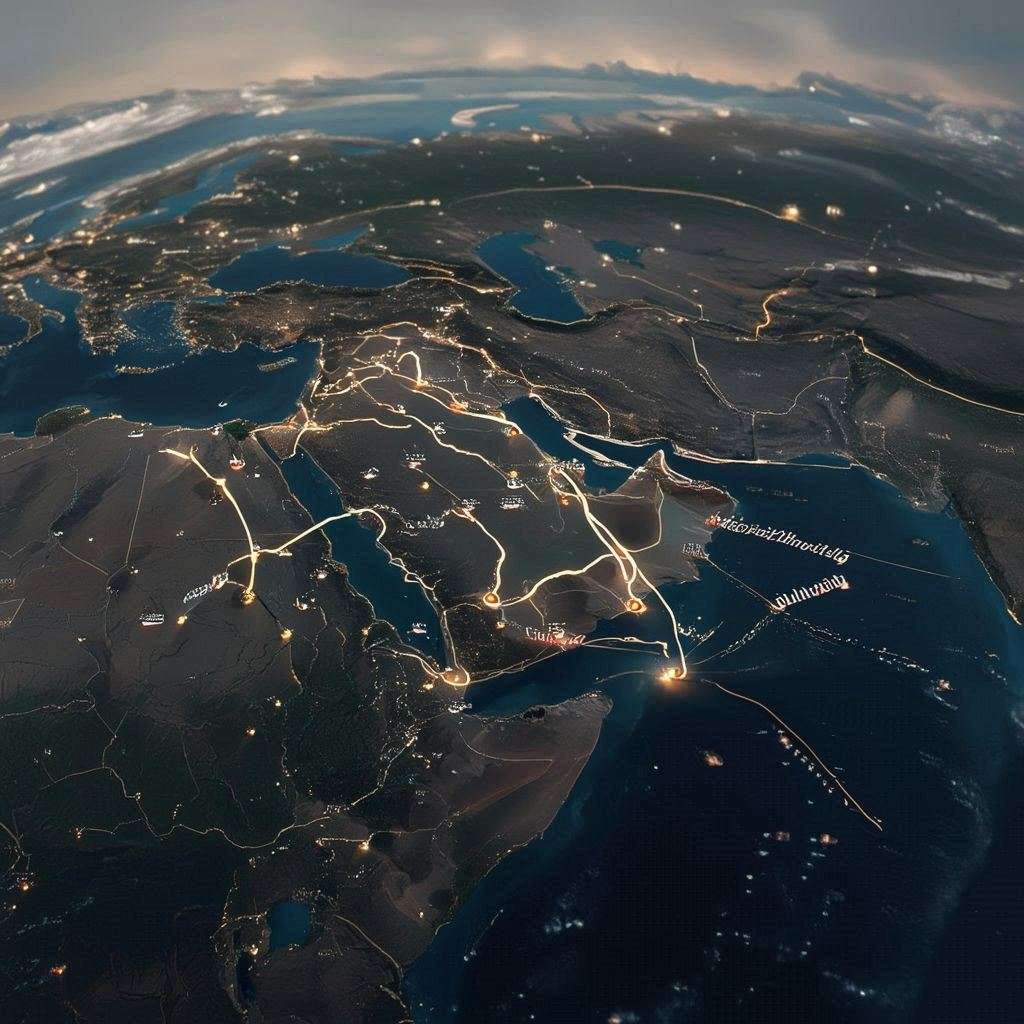
A potential Iran-US agreement could reduce geopolitical tensions and reopen energy exports through the Strait of Hormuz. However, restoring shipping activity does not immediately normalize global supply chains. Strategic energy reserves have been depleted, transportation capacity remains constrained, and production disruptions across the Gulf region may continue supporting elevated energy prices. Combined with rising debt … Περισσότερα

Stagflation Returns to Europe’s Agenda as Growth Slows and Inflation Persists

Stagflation is once again becoming part of Europe’s economic conversation. While the Eurozone is not officially experiencing stagflation, policymakers are increasingly acknowledging warning signs: inflation remains stubbornly elevated, economic growth is losing momentum, and energy costs continue to weigh on both households and businesses. The challenge is particularly difficult because stagflation combines two economic problems … Περισσότερα

Is Europe Heading for 1970s-Style Stagflation as Energy Supplies Shrink?

It is well known that war — especially when prolonged — generates inflation. That is precisely the direction in which current forecasts are moving for both the Eurozone as a whole and Greece specifically. Natural gas and oil act as force multipliers: they push up energy prices, transportation costs, production inputs and ultimately consumer goods. … Περισσότερα