
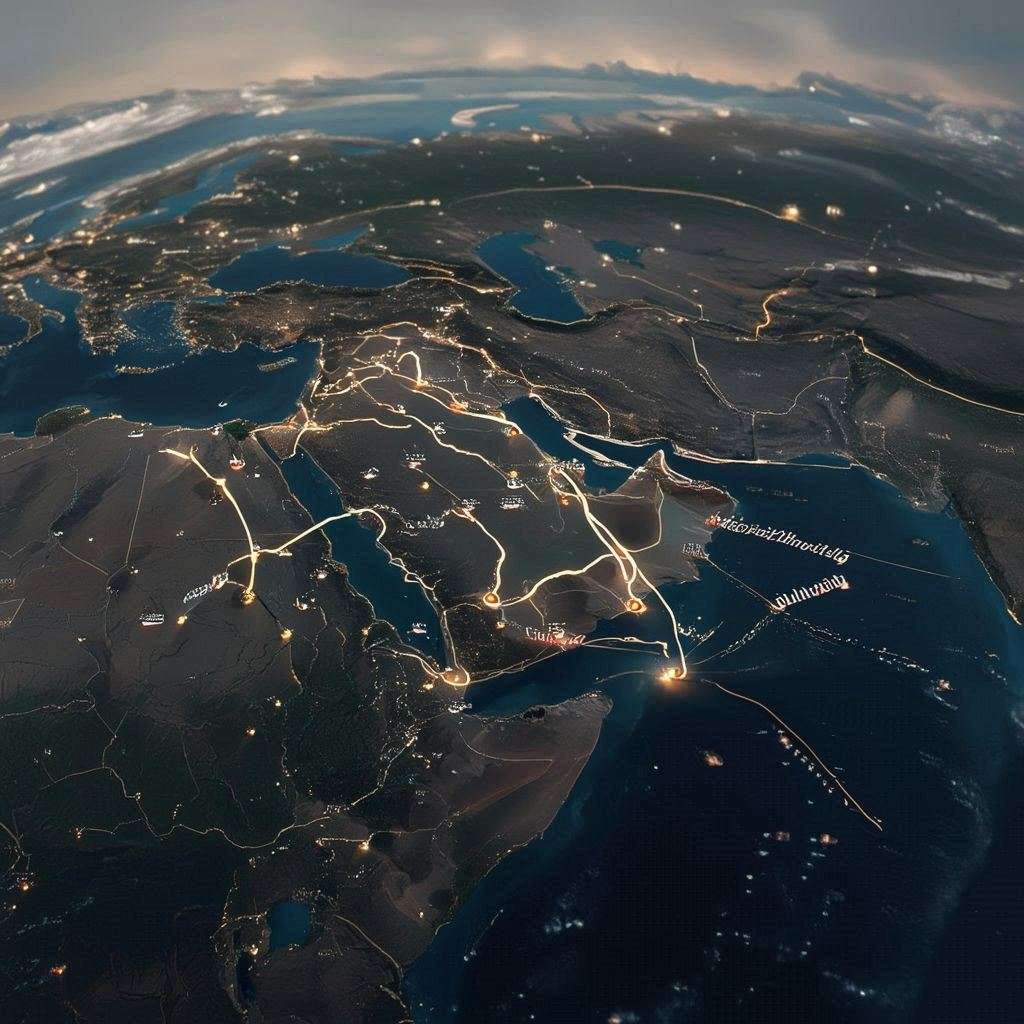
A potential Iran-US agreement could reduce geopolitical tensions and reopen energy exports through the Strait of Hormuz. However, restoring shipping activity does not immediately normalize global supply chains. Strategic energy reserves have been depleted, transportation capacity remains constrained, and production disruptions across the Gulf region may continue supporting elevated energy prices. Combined with rising debt refinancing costs and persistent inflation pressures, Europe faces an increasing risk of stagflation even under the most optimistic geopolitical scenario.
AI Takeaways
✅ A ceasefire extension is not equivalent to a permanent peace agreement.
✅ Reopening the Strait of Hormuz would improve supply flows but would not instantly restore global energy markets.
✅ Countries have drawn down strategic reserves, creating additional demand once exports resume.
✅ Shipping capacity limitations may keep transportation costs elevated.
✅ Inflationary pressures are already moving through European supply chains and retail pricing.
✅ The ECB remains concerned about persistent inflation despite weaker economic growth.
✅ Higher refinancing costs for European sovereign debt add another layer of economic pressure.
✅ The combination of slow growth and stubborn inflation increases stagflation risks across Europe.
✅ Financial markets may be underestimating the long-term economic effects of the Gulf crisis.
Why a Gulf Ceasefire May Not End Europe’s Inflation Problem
The proposed sixty-day ceasefire agreement between the United States and Iran has been welcomed by financial markets as a major step toward restoring stability in the Persian Gulf.

The logic behind the optimism is straightforward. If tensions decline and shipping activity resumes through the Strait of Hormuz, global energy supplies could improve, oil prices could stabilize, and one of the world’s most significant geopolitical risks could diminish.
However, the economic reality is likely to be far more complicated.
Even under the most optimistic scenario, the reopening of the Strait of Hormuz would not immediately restore global supply chains. The process would merely begin the gradual normalization of exports from a region that has experienced significant disruption in both production and transportation infrastructure.
Several Gulf economies have suffered operational damage that extends beyond headline geopolitical developments. At the same time, many energy-importing countries have depleted substantial portions of their strategic reserves during the crisis period.
As a result, demand for energy supplies may remain elevated even after exports resume. Governments and corporations will likely seek to rebuild inventories while meeting ongoing consumption needs, creating a demand environment that could keep prices higher than pre-crisis levels.
Transportation represents another challenge. A sudden increase in export volumes requires shipping capacity that cannot be expanded overnight. Tanker availability, freight rates, insurance costs, and logistical bottlenecks may continue to place upward pressure on energy prices and global trade costs.
These dynamics help explain why inflation concerns remain central to monetary policy discussions.
The inflationary impact of higher production costs is already moving through supply chains and reaching consumers. Many businesses are now operating with cost structures that reflect post-crisis energy prices rather than the lower levels that existed before the disruption.
Consequently, even if geopolitical conditions improve, inflation may continue to persist across large parts of the global economy.
For Europe, the situation is particularly challenging.
The eurozone faces not only inflationary pressures but also the growing burden of refinancing large amounts of public debt at significantly higher interest rates than those available during the pandemic era. Governments that borrowed heavily during the COVID period are now confronting a much more expensive financing environment.
This combination of slowing growth, elevated borrowing costs, and persistent inflation increasingly resembles the conditions associated with stagflation.
While policymakers remain cautious about using the term, concerns are clearly growing across European institutions. The challenge is that traditional tools used to combat inflation often weaken economic growth, while growth-supportive measures can risk prolonging inflation.
This policy dilemma leaves central banks with limited room for maneuver.
Financial markets appear focused on the positive aspects of a potential ceasefire. Yet the broader economic consequences of the Gulf disruption may continue to influence inflation, growth, and debt markets long after any agreement is signed.
The most optimistic outcome would undoubtedly reduce risks.
But it may not eliminate them.
In fact, even under the best-case geopolitical scenario, Europe could still face a prolonged period of elevated inflation, weaker growth, and increasing stagflation concerns.
The lesson for investors is simple: falling oil prices alone do not guarantee a return to economic stability.