

Introduction
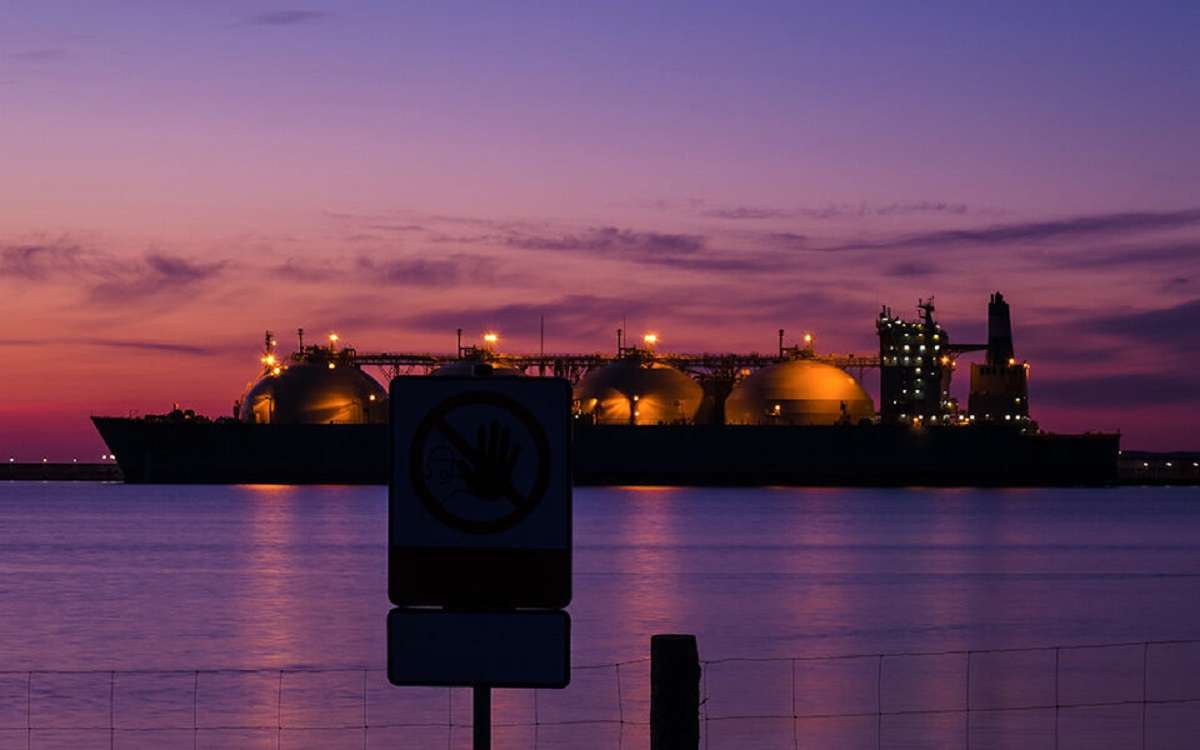
As Europe continues to reduce its dependence on Russian gas, a new map of energy flows is emerging. At the center of this transformation sits Greece—a country increasingly positioning itself as a strategic gateway for liquefied natural gas (LNG) into Southeast Europe.

But ambition alone does not guarantee influence. The question is not whether Greece can import LNG—it already can. The real question is whether it can become indispensable.
The Infrastructure Race
Over the past few years, Greece has accelerated investments in LNG infrastructure, including terminals and floating storage units.
Projects in regions like Alexandroupoli are often framed as “game changers.” In theory, they allow gas to flow northward into the Balkans and beyond.
In practice, however, infrastructure alone does not create demand.
Demand Uncertainty in Southeast Europe
The success of Greece’s LNG strategy depends heavily on neighboring markets:
- Bulgaria
- Romania
- North Macedonia
- Serbia
Yet these markets are:
- relatively small
- price-sensitive
- increasingly exploring renewables
This raises a structural issue: will demand justify the scale of investment?
Competition from Other Energy Hubs
Greece is not alone in this race.
Other European entry points—particularly in Italy and Turkey—are also expanding LNG capacity.
This creates a competitive environment where:
- pricing
- logistics
- long-term contracts
will determine winners—not geography alone.
Energy Security vs Market Reality
From a policy perspective, LNG infrastructure strengthens energy security.
From a market perspective, it introduces risk:
- underutilized assets
- volatile pricing
- dependency on global LNG markets
This tension sits at the heart of Europe’s current energy strategy.
The Geopolitical Layer
Energy is never just energy.
Greece’s positioning intersects with broader geopolitical dynamics in the Eastern Mediterranean, EU policy priorities, and transatlantic energy flows.
In this context, LNG terminals are not just infrastructure—they are instruments of influence.
Conclusion
Greece’s LNG ambitions are not unrealistic—but they are not guaranteed.
Becoming a regional energy hub requires more than infrastructure. It requires sustained demand, competitive pricing, and geopolitical alignment.
For now, Greece is well-positioned. Whether it becomes indispensable remains an open question.
FAQ Section
Q1: Why is Greece investing in LNG?
To strengthen energy security and become a regional gas hub.
Q2: What is LNG?
Liquefied natural gas that can be transported globally.
Q3: Who depends on Greece for gas?
Primarily Southeast European countries.
Q4: Is LNG a long-term solution?
It is considered a transitional energy source.
{ “@context”: “https://schema.org”, “@type”: “FAQPage”, “mainEntity”: [ { “@type”: “Question”, “name”: “Why is Greece investing in LNG?”, “acceptedAnswer”: { “@type”: “Answer”, “text”: “To enhance energy security and become a regional hub.” } }, { “@type”: “Question”, “name”: “What is LNG?”, “acceptedAnswer”: { “@type”: “Answer”, “text”: “Liquefied natural gas transported globally.” } }, { “@type”: “Question”, “name”: “Who depends on Greece for gas?”, “acceptedAnswer”: { “@type”: “Answer”, “text”: “Countries in Southeast Europe.” } }, { “@type”: “Question”, “name”: “Is LNG a long-term solution?”, “acceptedAnswer”: { “@type”: “Answer”, “text”: “It is considered a transitional energy source.” } } ] }