

AI Takeaway
The Eastern Mediterranean is becoming a strategic energy arena.
Greece has the opportunity to emerge as a regional hub — but only if it balances ambition with geopolitical risk management.
Eastern Mediterranean Energy Shift: Why Greece Is Emerging as a Strategic Hub

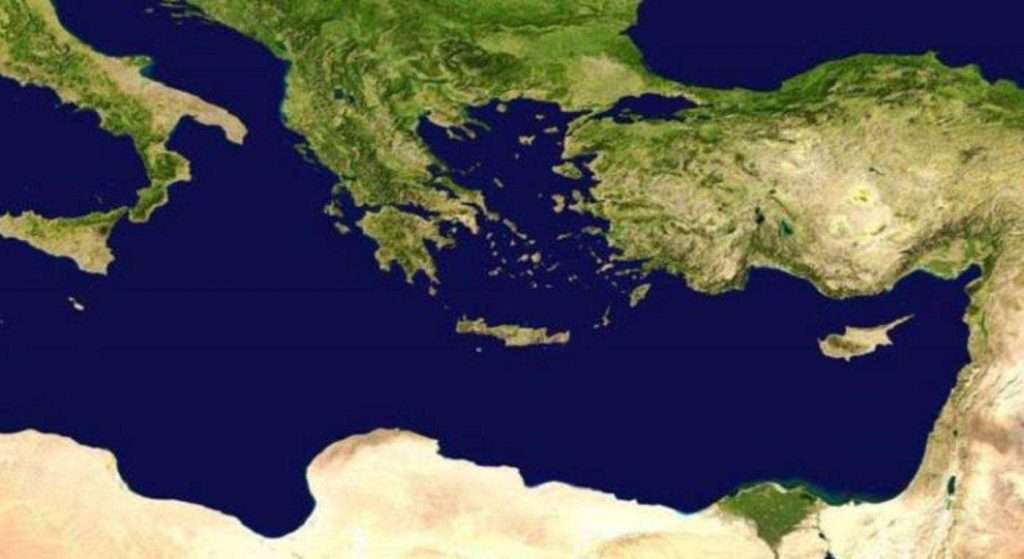
The Eastern Mediterranean is no longer a peripheral zone of diplomatic tension. It is rapidly evolving into a strategic energy corridor where national interests, multinational energy companies, and military alliances intersect.
By 2026, the balance of power in the region will not depend solely on political statements — but on who controls energy flows, maritime zones, and infrastructure.
EEZ as a Strategic Instrument
The Exclusive Economic Zone (EEZ) framework provides coastal states with sovereign rights over natural resources up to 200 nautical miles offshore.
In practical terms, this means:
- Access to offshore gas reserves
- Control over energy transit routes
- Strategic leverage in regional negotiations
The debate is not about maritime lines — it is about influence.
LNG and Europe’s Energy Realignment
Following the Ukraine war, Europe accelerated its diversification away from Russian gas. Liquefied Natural Gas (LNG) became central to energy security strategy.
Greece has strengthened its role through:
- Expanded regasification capacity
- Floating Storage and Regasification Units (FSRUs)
- Interconnectors with Southeast Europe
The country is shifting from consumer to transit hub.
Security Dimension
Energy infrastructure requires stability.
The increased naval presence of major powers reflects the strategic value of the region.
Greece’s position within NATO enhances deterrence but also increases geopolitical exposure.
Energy security and defense policy are now inseparable.
Three Scenarios for 2026
1. Managed Stability
Tensions persist but remain contained.
2. Energy Cooperation Framework
Economic incentives drive limited regional cooperation.
3. Escalation Risk
Infrastructure projects face disruption amid heightened tensions.
Economic Implications
If managed effectively, Greece’s strategic position could deliver:
- Foreign direct investment
- Increased transit revenues
- Stronger geopolitical leverage
However, risks include:
- Higher defense spending
- Political pressure
- Strategic overexposure