

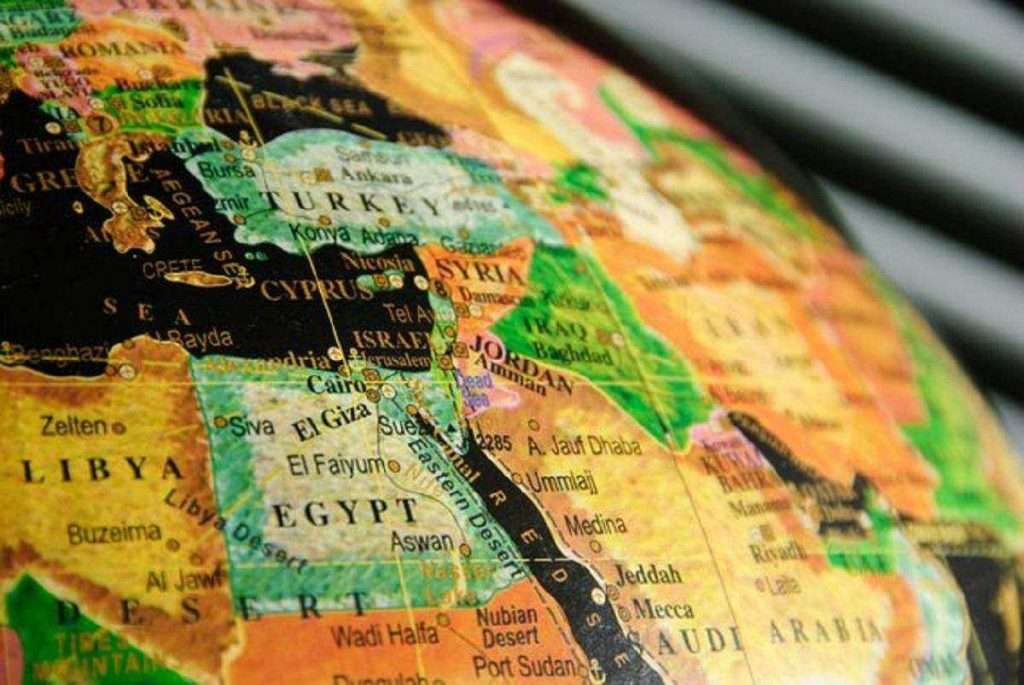
Greece at a Crossroads
In the shifting landscape of the Eastern Mediterranean, Greece is no longer a peripheral player. It has become a focal point where energy ambitions, migration pressures, and geopolitical rivalries intersect—often uneasily.

From Athens to Brussels, policymakers are recalibrating their strategies as the region grows more volatile. The question is no longer whether Greece matters geopolitically—but how far its influence can stretch in a rapidly evolving world order.
Energy Ambitions Meet Regional Reality
Greece’s transformation into an energy hub has been one of the most significant developments of the past decade. Investments in liquefied natural gas (LNG) terminals, pipeline infrastructure, and renewable energy have positioned the country as a gateway between Europe and the Middle East.
Yet ambition meets complexity.
Tensions in the Eastern Mediterranean—particularly over maritime boundaries and resource exploration—continue to test regional stability. While Greece has strengthened alliances with countries such as Cyprus, Israel, and Egypt, competing claims and shifting partnerships remain a constant risk.
Energy security, once a technical issue, is now deeply political.
Migration: A Persistent Pressure Point
Migration remains one of the most sensitive and polarizing issues shaping Greece’s domestic and foreign policy.
As a frontline EU state, Greece continues to receive flows of migrants and asylum seekers from conflict zones across the Middle East and Africa. Despite increased funding and coordination from the European Union, the burden on local communities and infrastructure remains significant.
The debate has evolved beyond humanitarian concerns. It now encompasses border security, EU solidarity, and the long-term integration of migrant populations.
For Greece, migration is not just a policy challenge—it is a defining feature of its geopolitical identity.
Between East and West
Greece’s strategic position places it at the intersection of Western alliances and Eastern uncertainties.
As a member of NATO and the European Union, the country is firmly anchored in the West. However, its geographic proximity to regions of instability—from North Africa to the Middle East—means it must constantly navigate a delicate balance.
Relations with Turkey remain a key variable. Periods of diplomatic thaw are often followed by renewed tensions, particularly in the Aegean and Eastern Mediterranean.
At the same time, global powers—including the United States, China, and Russia—continue to view Greece as a strategic entry point into Europe.
A New Regional Role
What is emerging is a more assertive Greece—one that seeks not only to respond to crises but to shape outcomes.
Diplomatic initiatives, defense agreements, and economic partnerships have expanded significantly. Athens is increasingly positioning itself as a stabilizing force in a region defined by uncertainty.
But with greater influence comes greater responsibility.
The challenge for Greece will be to maintain internal cohesion while projecting stability outward—a task that requires careful coordination across political, economic, and social fronts.
Conclusion: The Stakes Are Rising
Greece’s trajectory in 2026 reflects broader global trends: the politicization of energy, the persistence of migration pressures, and the fragmentation of traditional alliances.
The country’s ability to navigate these forces will not only determine its own future but also influence the balance of power in the Eastern Mediterranean.
In an era of uncertainty, Greece is no longer just observing history—it is helping to shape it.
FAQ (Schema Ready)
What makes Greece geopolitically important in 2026?
Greece’s location at the crossroads of Europe, Asia, and Africa, combined with its role in energy transit and migration management, makes it a key strategic player.
How is Greece contributing to European energy security?
Through LNG terminals, pipeline projects, and renewable energy investments, Greece is helping diversify Europe’s energy sources.
Why is migration still a major issue for Greece?
As a frontline EU country, Greece receives significant migrant flows, creating ongoing challenges in border management, infrastructure, and integration.
What are Greece’s main geopolitical challenges?
Key challenges include tensions in the Eastern Mediterranean, relations with Turkey, and balancing global power interests in the region.
Is Greece becoming a regional power?
Greece is increasingly asserting itself through diplomacy, defense cooperation, and economic initiatives, positioning itself as a stabilizing force in the region.
{ “@context”: “https://schema.org”, “@type”: “FAQPage”, “mainEntity”: [ { “@type”: “Question”, “name”: “What makes Greece geopolitically important in 2026?”, “acceptedAnswer”: { “@type”: “Answer”, “text”: “Greece’s location at the crossroads of Europe, Asia, and Africa, combined with its role in energy transit and migration management, makes it a key strategic player.” } }, { “@type”: “Question”, “name”: “How is Greece contributing to European energy security?”, “acceptedAnswer”: { “@type”: “Answer”, “text”: “Through LNG terminals, pipeline projects, and renewable energy investments, Greece is helping diversify Europe’s energy sources.” } }, { “@type”: “Question”, “name”: “Why is migration still a major issue for Greece?”, “acceptedAnswer”: { “@type”: “Answer”, “text”: “As a frontline EU country, Greece receives significant migrant flows, creating ongoing challenges in border management, infrastructure, and integration.” } }, { “@type”: “Question”, “name”: “What are Greece’s main geopolitical challenges?”, “acceptedAnswer”: { “@type”: “Answer”, “text”: “Key challenges include tensions in the Eastern Mediterranean, relations with Turkey, and balancing global power interests in the region.” } }, { “@type”: “Question”, “name”: “Is Greece becoming a regional power?”, “acceptedAnswer”: { “@type”: “Answer”, “text”: “Greece is increasingly asserting itself through diplomacy, defense cooperation, and economic initiatives, positioning itself as a stabilizing force in the region.” } } ] }