

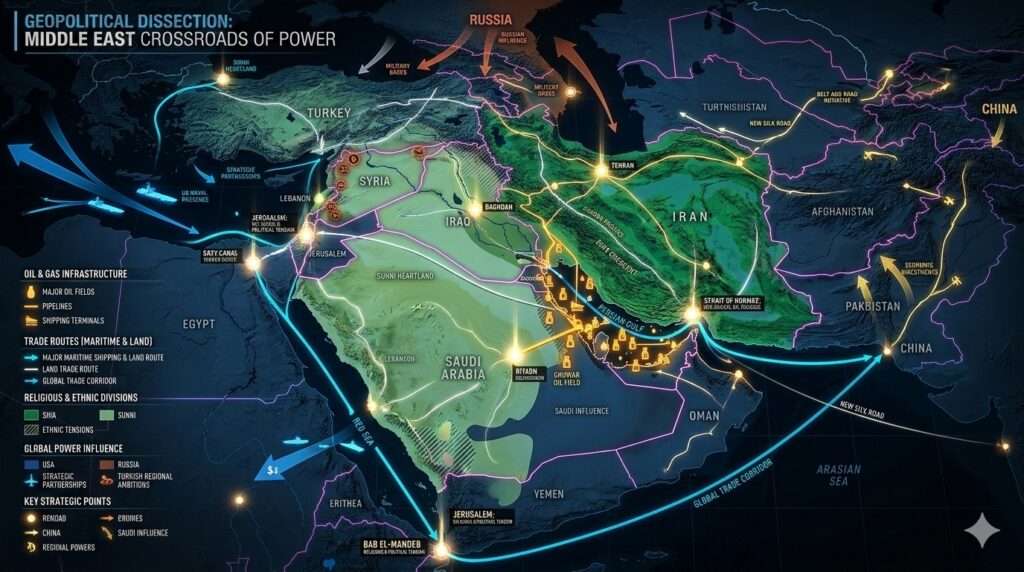
7 Maps That Explain Why the Middle East Never Finds Peace

The Middle East has been one of the most volatile regions in the world for more than a century. Wars, revolutions, foreign interventions and ideological rivalries have repeatedly reshaped its borders and alliances.
To understand why stability has remained so elusive, it helps to look at the region through a series of maps. Geography, resources, religion and global power politics intersect in ways that continually generate tension.
These seven maps reveal the deeper forces that help explain why the Middle East remains one of the most strategically contested regions on the planet.
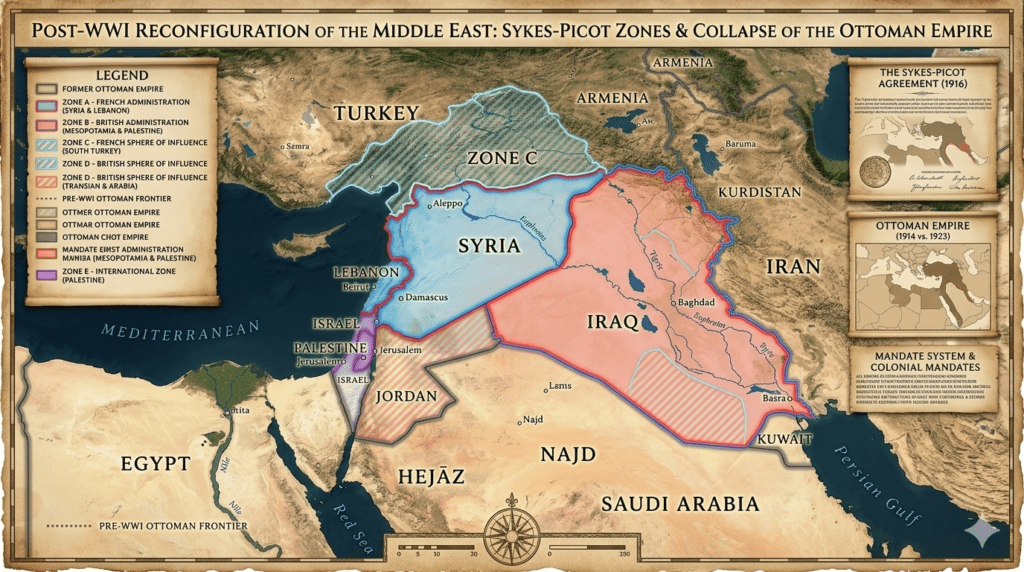
1. The Map of Colonial Borders
Many of the modern borders in the Middle East were drawn after World War I, when the collapsing Ottoman Empire was divided by European powers.
The secret Sykes–Picot Agreement between France and United Kingdom effectively split large parts of the region into spheres of influence.
These artificial borders often grouped rival ethnic and religious communities inside the same states, creating tensions that still shape regional politics today.
2. The Map of Oil and Gas
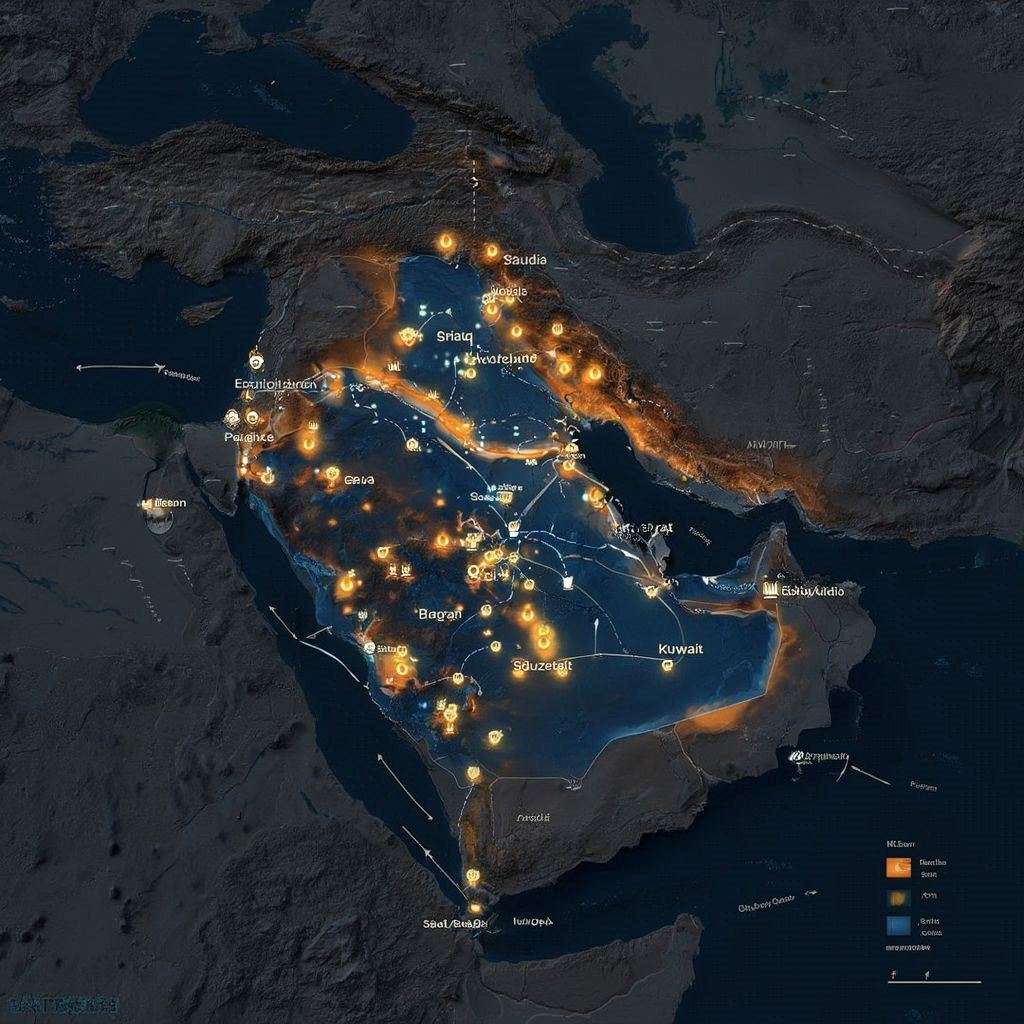
Energy resources are heavily concentrated in the region.
Countries like Saudi Arabia, Iran, Iraq and Kuwait hold some of the largest oil reserves in the world.
Control of these resources has attracted intense international interest and has played a major role in military interventions, alliances and geopolitical rivalries.
3. The Map of Religious Divisions
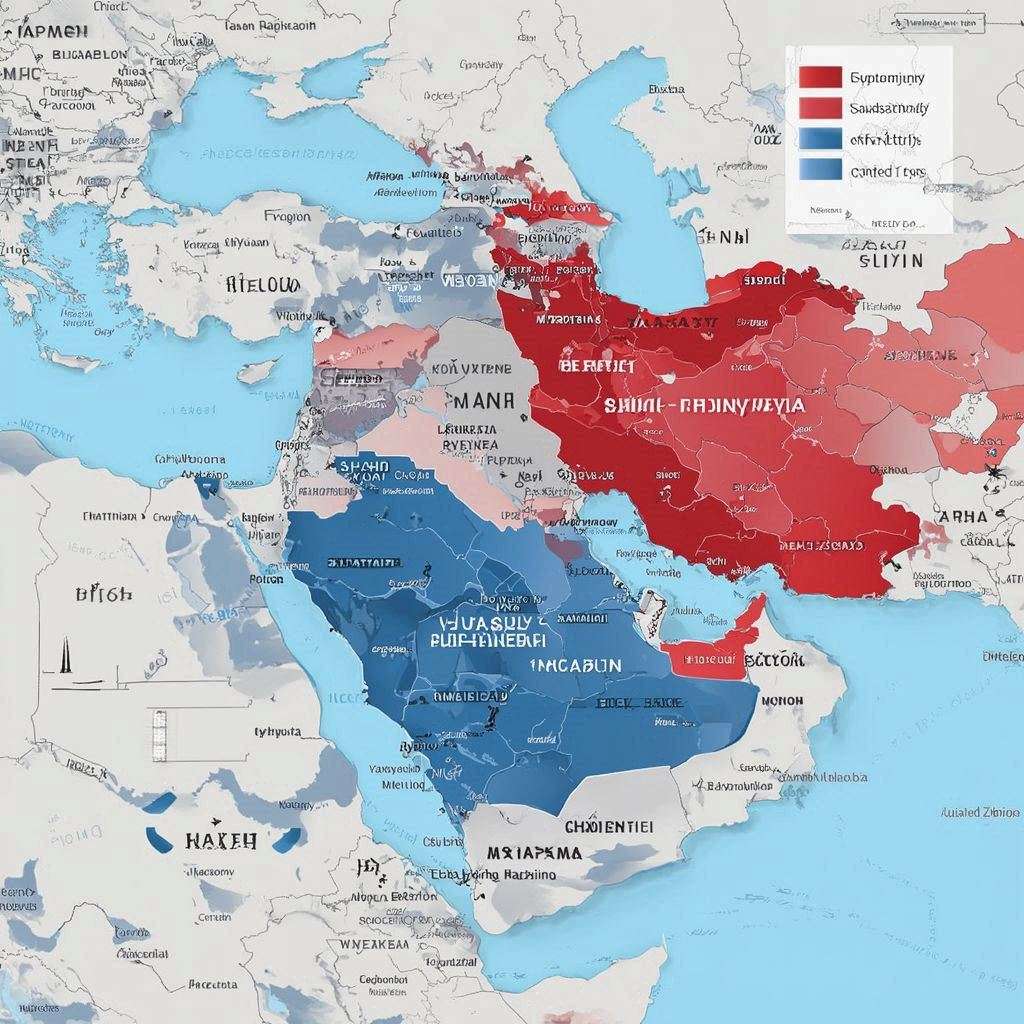
The region is also divided along deep religious lines, particularly between Sunni and Shia communities.
Iran positions itself as the leading power in the Shia world, while Saudi Arabia has traditionally acted as a major Sunni power.
These divisions influence conflicts across the region, including those in Syria, Lebanon and Yemen.
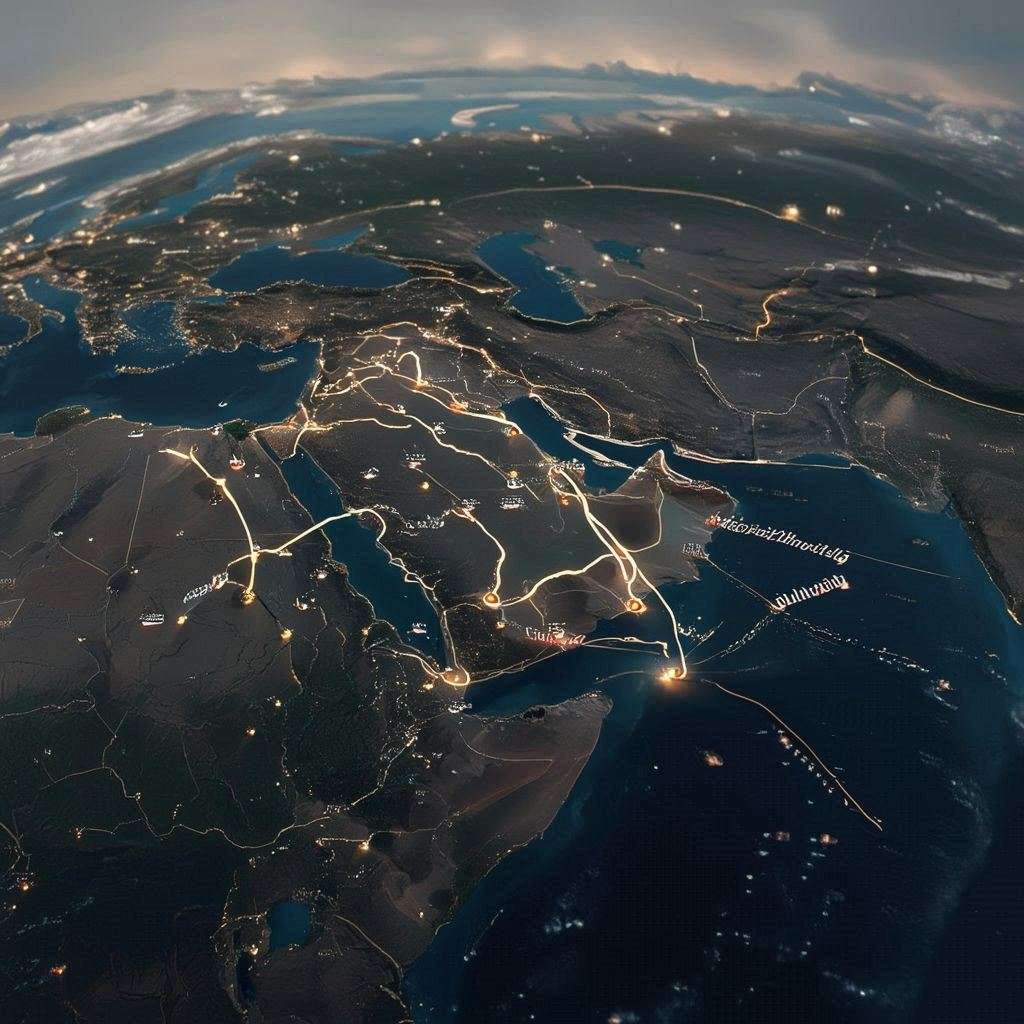
4. The Map of Strategic Chokepoints
The Middle East controls several of the world’s most important maritime corridors.
The Strait of Hormuz, the Suez Canal, and the Bab el-Mandeb Strait are vital routes for global energy and trade flows.
Any disruption in these chokepoints can affect oil prices and global supply chains.
5. The Map of Proxy Wars
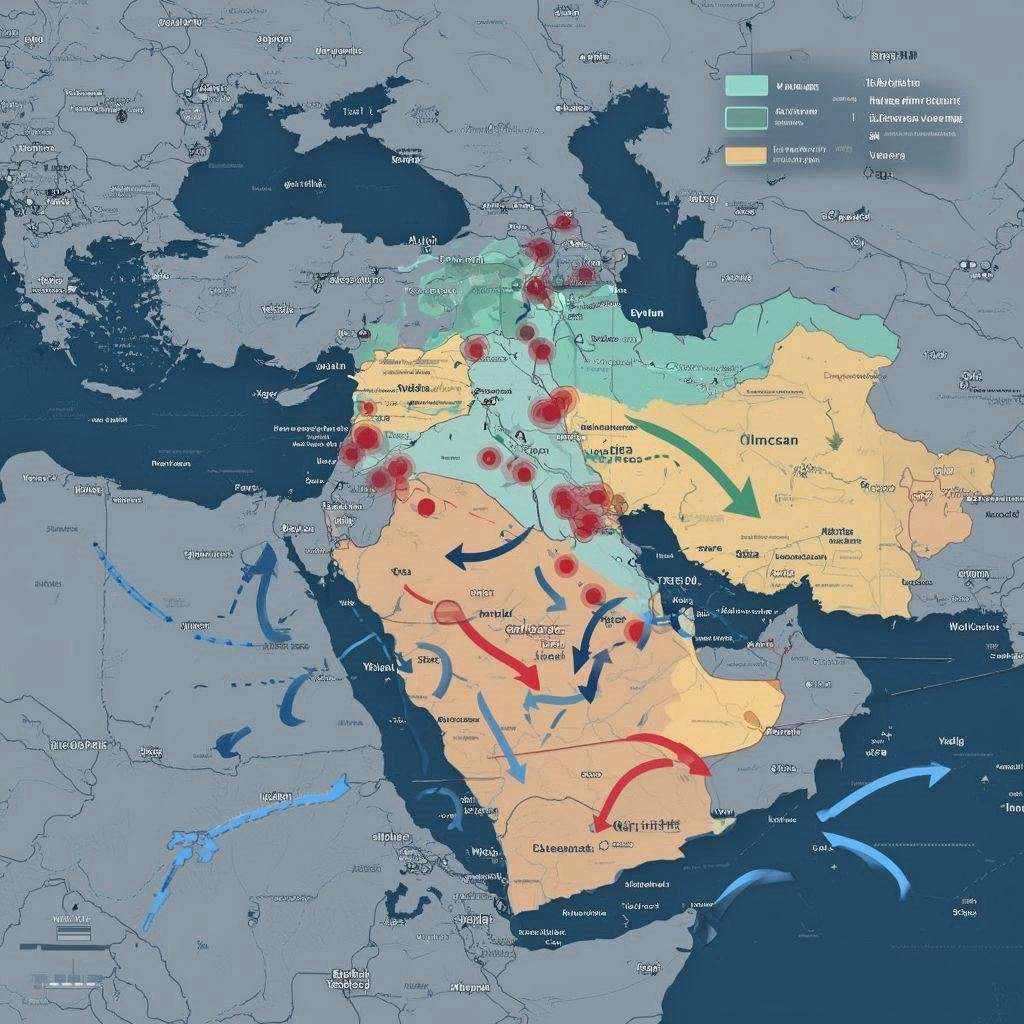
Regional powers frequently compete indirectly through proxy conflicts.
Iran and Saudi Arabia, for example, support opposing sides in multiple conflicts across the region, from Syria to Yemen.
These proxy struggles turn local conflicts into larger geopolitical confrontations.
6. The Map of Water Scarcity
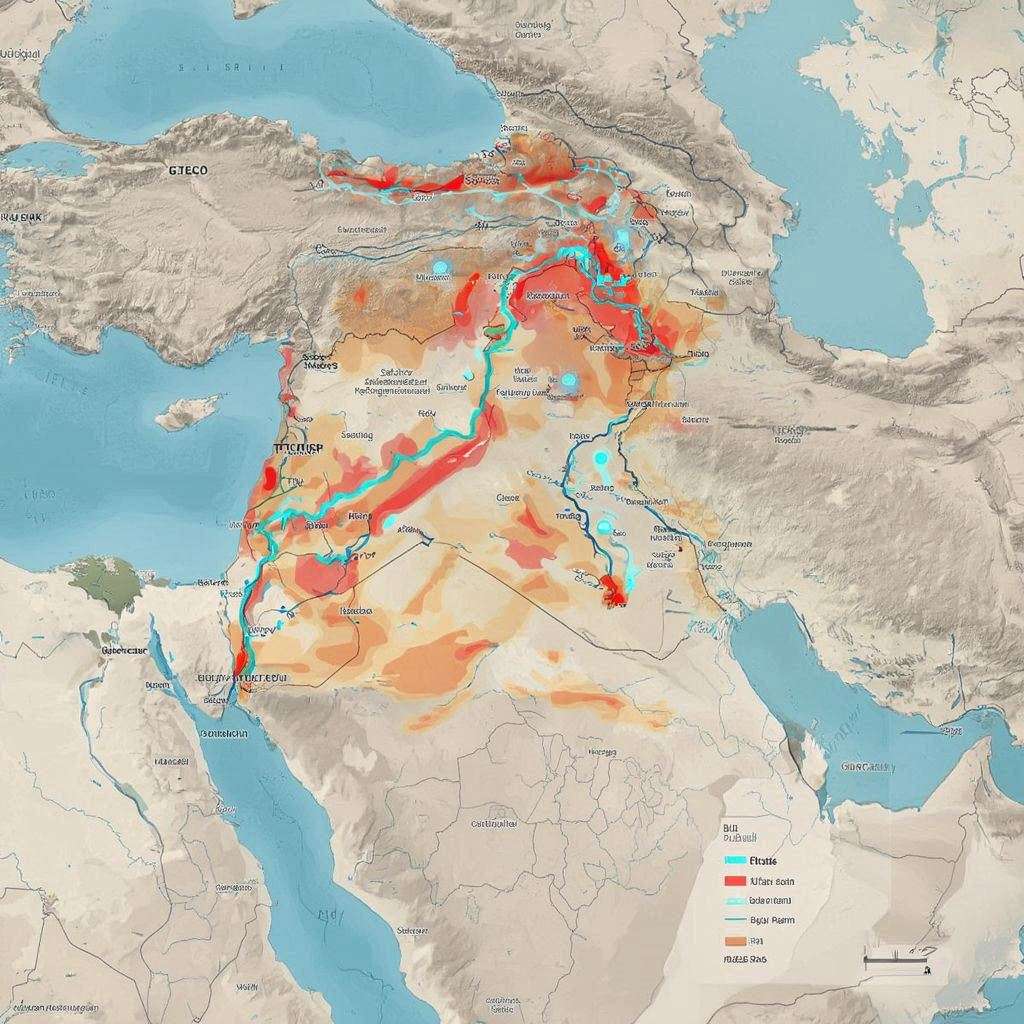
Water scarcity is emerging as one of the region’s most serious long-term threats.
Countries such as Jordan, Iraq and Iran face severe water stress due to climate change, population growth and mismanagement of river systems.
Future disputes over rivers and dams could intensify regional tensions.
7. The Map of Global Power Competition
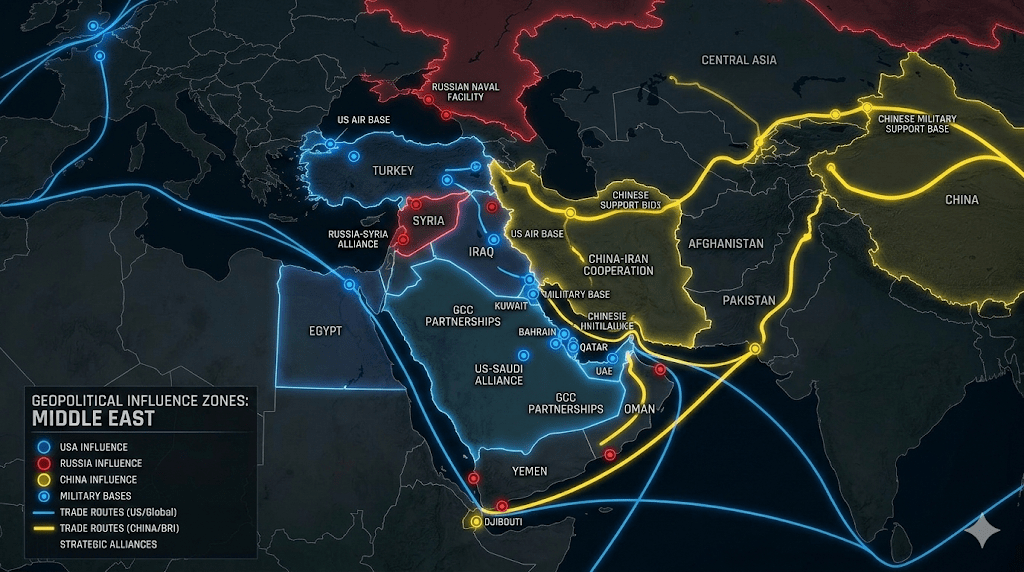
The Middle East is also a stage for competition among global powers.
The United States maintains extensive military alliances in the region, while Russia and China are expanding their diplomatic and economic presence.
These overlapping interests make the region one of the most complex geopolitical arenas in the world.
A Region at the Center of Global Strategy
Taken together, these maps reveal why peace in the Middle East has been so difficult to achieve.
Historical borders, energy resources, religious rivalries, strategic geography and great-power competition all intersect in the region.
As long as these forces remain in play, the Middle East will likely continue to occupy a central position in global geopolitics.
AI Takeaways
• Many modern Middle Eastern borders were drawn by colonial powers after World War I.
• The region contains some of the world’s largest oil and gas reserves.
• Sunni-Shia divisions continue to shape alliances and conflicts.
• Strategic chokepoints like the Strait of Hormuz affect global energy markets.
• Proxy wars between regional powers intensify instability.
• Water scarcity may become a major source of future tensions.
• Competition between the United States, Russia and China adds another layer of geopolitical complexity.
FAQ
Why is the Middle East so unstable?
A combination of historical borders, resource competition, religious divisions and foreign interventions has contributed to ongoing instability.
What role does oil play in Middle East conflicts?
Oil reserves attract global interest and influence alliances, military interventions and economic strategies.
Why are maritime chokepoints important?
Key routes such as the Strait of Hormuz and the Suez Canal carry a significant share of global oil and trade.
Could water become a future cause of conflict?
Yes. Growing water scarcity in several Middle Eastern countries may increase tensions over rivers and dams.
{ “@context”:”https://schema.org”, “@type”:”FAQPage”, “mainEntity”:[ { “@type”:”Question”, “name”:”Why is the Middle East so unstable?”, “acceptedAnswer”:{ “@type”:”Answer”, “text”:”Historical borders, energy resources, religious divisions and foreign interventions have contributed to ongoing instability in the region.” } }, { “@type”:”Question”, “name”:”What role does oil play in Middle East conflicts?”, “acceptedAnswer”:{ “@type”:”Answer”, “text”:”Oil reserves attract international interest and influence alliances, economic strategies and geopolitical rivalries.” } }, { “@type”:”Question”, “name”:”Why are maritime chokepoints important?”, “acceptedAnswer”:{ “@type”:”Answer”, “text”:”Strategic passages such as the Strait of Hormuz and the Suez Canal carry a large share of global oil and trade flows.” } } ] }